
Air Leaks – The Hidden Problem in Homes
Many homeowners don’t realize how much air moves in and out of their house every day. Air leakage happens when outside air enters and indoor air escapes through unsealed cracks, gaps, and openings in the home’s structure. These leaks are often hidden behind walls, above ceilings, or below floors, making them easy to overlook.
A common myth is that air leaks help a house “breathe.” In reality, uncontrolled airflow creates more problems than it solves. Leaky homes experience uneven temperatures, higher energy bills, and poorer indoor air quality. On windy days, too much outdoor air is forced inside. On still days, there may not be enough fresh air moving through the home at all. This imbalance can trap pollutants and allow moisture to build up where it doesn’t belong.
Building science experts, including the U.S. Department of Energy and Oak Ridge National Laboratory, recommend reducing air leaks and pairing a tighter home with controlled ventilation. Sealing unintended openings gives homeowners control over how air enters and exits the house, improving comfort, efficiency, and indoor air quality.
Why Air Sealing Matters in Tennessee
 Tennessee’s climate makes air sealing especially important. Summers are hot and humid, while winters can bring cold snaps that leave homes drafty and uncomfortable. Without proper air sealing, homes struggle to maintain consistent indoor conditions year-round.
During summer, humid outdoor air can seep into air-conditioned spaces through cracks in the building envelope. When warm, moist air meets cooler indoor surfaces, it can cause condensation, mold growth, and musty odors. In winter, cold air leaking in through gaps around doors, windows, attics, and foundations creates drafts and cold spots that make living spaces uncomfortable and harder to heat.
The Tennessee Department of Health notes that weatherized homes with proper air sealing, insulation, moisture control, and ventilation are healthier homes. By sealing the entire building envelope, including walls, attics, foundations, windows, and doors, homeowners can better manage temperature, humidity, and air quality year-round. The result is fewer drafts, more consistent comfort, and a more stable indoor environment.
The Cost of Air Leaks (and the Savings You Gain)
Air leaks aren’t just uncomfortable. They’re expensive. Poorly sealed homes can waste anywhere from 25 to 40 percent of the energy used for heating and cooling. Every gap or crack acts like a small open window, letting conditioned air escape and forcing HVAC systems to work harder.
In fact, the average home leaks enough air to equal a two-square-foot hole left open all day, every day. That lost air translates directly into higher utility bills and increased wear on heating and cooling equipment. Systems that cycle more often tend to wear out sooner, leading to higher maintenance and replacement costs over time.
According to ENERGY STAR, sealing air leaks and adding insulation can reduce heating and cooling costs by about 15 percent, or roughly 11 percent of a home’s total energy use. Over the years, those monthly savings add up. Air sealing is one of the few home improvements that continue to pay homeowners back long after the work is done.
Big Benefits – Comfort, Health, and Durability
Increased Comfort
One of the most immediate benefits of air sealing is improved comfort. Sealing leaks eliminates cold drafts in winter and hot spots in summer, helping maintain even temperatures throughout the home. Rooms that were once uncomfortable become usable again.
A well-sealed home is also quieter and cleaner. Gaps that let air in often let in outside noise, dust, pollen, and insects. By sealing those pathways, homeowners notice reduced noise levels, less dust buildup, and more stable indoor humidity.
Better Indoor Air Quality
 When cracks and gaps are sealed, homeowners gain control over how air enters the home. Instead of pulling in air from unsealed attics, crawl spaces, or garages, which often contain dust, mold spores, and fumes, fresh air can be intentionally introduced through proper ventilation and filtration.
Tennessee’s Healthy Homes program emphasizes that well-sealed houses benefit everyone, especially individuals with asthma or other respiratory conditions. Cleaner air pathways reduce exposure to pollutants and allergens, contributing to a healthier indoor environment.
Energy Efficiency and Lower Bills
Air leaks are a major source of energy waste. Sealing and insulating the home stops that waste at the source. Many homeowners see noticeable reductions in heating and cooling costs after air sealing improvements, making it one of the most cost-effective upgrades for existing homes. In many cases, the investment pays for itself within a few years through lower utility bills.
Home Durability and Moisture Protection
Air movement carries moisture with it. When warm, humid air enters wall cavities or attics and cools, condensation can form on framing, insulation, and other building materials. Over time, this moisture can lead to rot, mold growth, peeling paint, and structural damage.
Sealing air leaks protects the home’s structure by limiting moisture intrusion. A tighter home is a more durable home. After sealing, it’s important to ensure proper ventilation so that indoor moisture, such as that generated from cooking and bathing, can be safely exhausted.
Finding Common Air Leaks in Your Home
Some air leaks are obvious, like drafts around windows or under doors. Many others are hidden in plain sight. Studies show that the average house can lose around half of its indoor air every hour through small, scattered gaps throughout the structure.
Attic Hatch and Recessed Lights
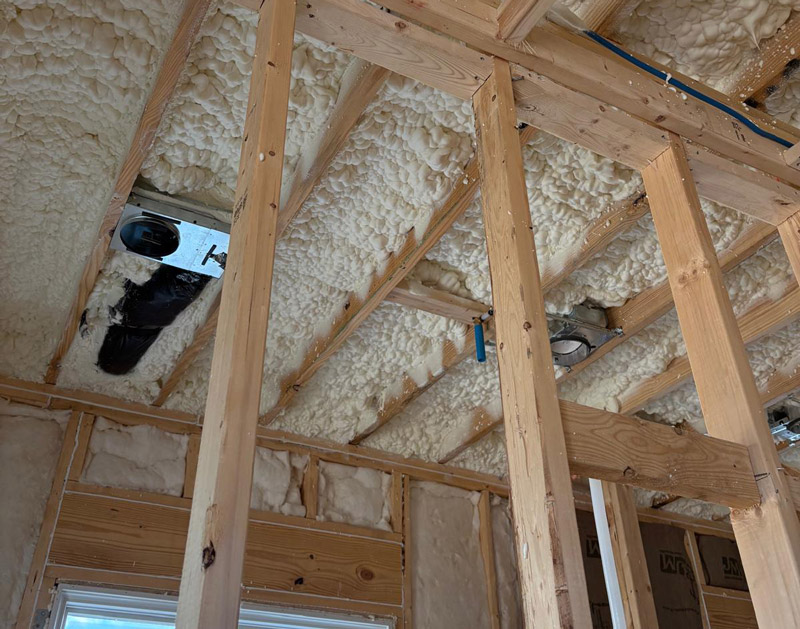 Attic hatches are often poorly sealed or uninsulated. Recessed lights, exhaust fans, and other ceiling penetrations can also create gaps that allow air to freely move between the living space and the attic. Dark streaks or dirty insulation are common signs of air leakage in these areas. Proper attic air sealing is one of the first steps to sealing the whole home.
Plumbing and Wiring Penetrations
Any pipe, wire, or duct that passes through walls, floors, or ceilings is a potential leak point. Gaps around plumbing under sinks, vent stack pipes in the attic, and HVAC penetrations may seem small, but together they can account for substantial air loss.
Windows, Doors, and Frames
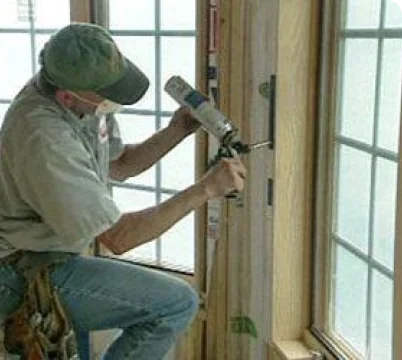
Even when windows and doors are closed, gaps can exist around the frames. Homeowners may notice light around door frames or feel drafts along window trim. Caulk can seal cracks in stationary areas, while weatherstripping helps stop air leakage around operable edges. Baseboards and wall-to-floor joints are also common trouble spots.
Fireplace Chimneys and Flues
An open fireplace damper is essentially an open window. When fireplaces aren’t in use, dampers should remain closed. If your fireplace is completely unused, consider an inflatable chimney balloon. Gaps around chimneys and vent pipes should be sealed using fire-resistant materials designed for high-temperature areas.
Crawl Space or Basement
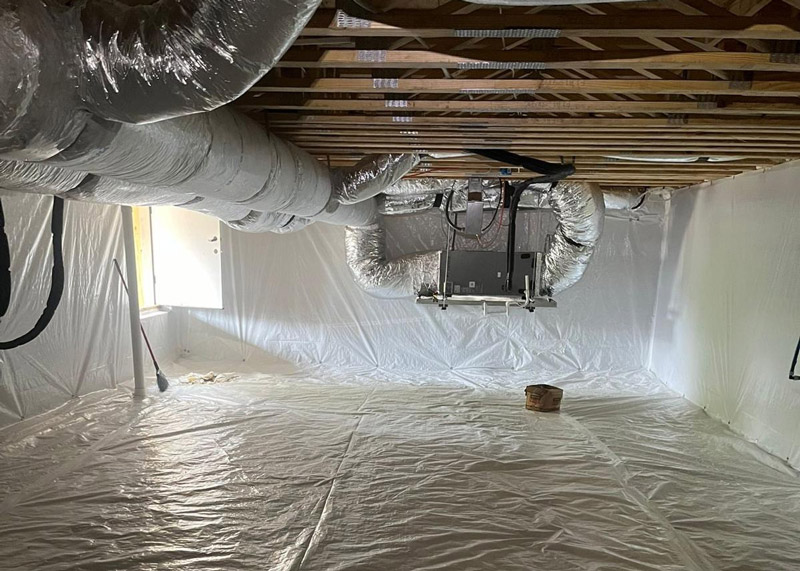
The rim joist, or the framing that sits on top of the foundation, is a frequent source of air leakage. Cracks in this area allow crawl space or basement air, along with moisture and pests, to enter the living space. In addition, ensure that crawl space/basement doors seal tightly. Proper sealing and rim joist insulation help prevent humid, musty air from rising into the home.
Identifying Leaks – Methods and Professional Testing
Homeowners can detect leaks through visual inspections or simple smoke tests with incense: place incense near suspected gaps to detect air movement. For a more complete picture, a professional home energy audit may include a blower door test. This test uses a specialized fan to depressurize the house, making hidden leaks easier to identify. Some Tennessee utilities or contractors offer energy assessments with blower door testing to hunt for pinpoint leaks you might miss. Auditors can also verify that proper ventilation is in place following air-sealing improvements.
Seal Tight, Ventilate Right
The guiding principle of modern home performance is simple: seal tight, ventilate right. Random gaps in airflow are unreliable, as the airflow is too much at certain times of year and too little at others. A better approach is to seal unintended openings and provide intentional ventilation using exhaust fans or mechanical ventilation systems.
Modern building codes, including those adopted in Tennessee, emphasize air tightness paired with proper ventilation. For older homes undergoing air sealing, ventilation should be evaluated, and homeowners may be advised to test for radon and ensure moisture is properly managed. A sealed home with controlled ventilation outperforms a leaky home that “breathes” on its own.
How Spray Foam Insulation Can Help
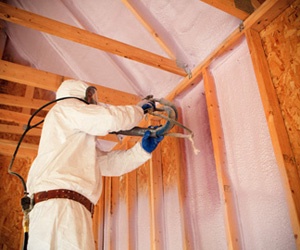
Spray foam insulation is one of the most effective ways to insulate and air seal a home in a single step. Unlike fiberglass or cellulose, which primarily slow heat transfer, spray foam also acts as an air barrier.
Applied as a liquid, spray foam expands and hardens, filling cracks, gaps, and irregular spaces that traditional materials can’t reach. A single application of spray foam provides high R-value insulation and a continuous air seal. It’s especially effective for areas like plumbing penetrations, attic floor joists, band joists, and other complex framing and irregular shapes.
Both open-cell and closed-cell spray foam provide excellent air sealing. Closed-cell foam is denser, offers a higher R-value per inch, and adds moisture resistance. Open-cell foam is lighter and expands more, making it useful in certain applications. Choosing the right type depends on the project’s location and goals.
Because spray foam requires specialized equipment and training, professional installation is essential. When installed correctly, spray foam significantly reduces air infiltration, improves energy performance, and keeps rooms comfortable with fewer drafts. Homeowners also benefit from cleaner indoor air and less dust buildup.
Spray Foam and Tennessee’s Climate
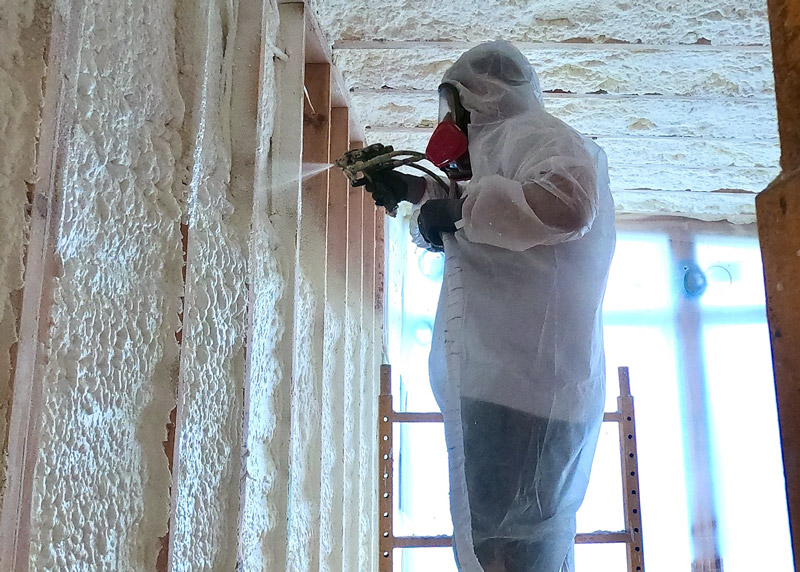 Tennessee’s humid climate makes moisture control a priority. Spray foam helps block humid outdoor air from entering wall cavities during summer, reducing the risk of condensation and mold. In winter, it prevents warm, moist indoor air from leaking into cold attics, where condensation can occur.
Encapsulating attics or crawl spaces with spray foam creates a buffer against humidity and temperature swings. Many local builders use spray foam in new construction to meet energy-efficiency standards, while homeowners with existing houses often see significant improvements after retrofitting with spray foam. It’s a two-in-one solution that upgrades insulation while eliminating air leaks.
Achieve an Efficient, Comfortable Home
Air sealing is a crucial step for Tennessee homeowners and builders looking to improve comfort, efficiency, and indoor air quality. Sealing gaps and pairing that work with proper insulation reduces wasted energy, lowers utility bills, and creates a healthier living environment.
While insulation slows heat transfer, air sealing stops drafts and helps the insulation perform as intended. Some sealing measures can be handled with DIY caulking and weatherstripping doors, but larger or hidden leaks often require professional solutions such as spray-foam insulation.
In Tennessee’s climate, a well-sealed, well-insulated home makes all the difference. Hayes Insulation is ready to help Tennessee homeowners and builders create more comfortable, energy-efficient homes through expert air sealing and spray foam services.
References:
Oak Ridge National Laboratory. (n.d.). Air sealing technology fact sheet. U.S. Department of Energy, Building Technologies Office. https://web.ornl.gov/sci/buildings/docs/factSheets/Air%20sealing%20technology%20fact.pdf
Southern Alliance for Clean Energy. (n.d.). A homeowner’s guide to energy efficiency. Clean Energy. https://www.cleanenergy.org/wp-content/uploads/sace-energy-guide.pdf
Tennessee Department of Health. (n.d.). Weatherization. Healthy Homes Program. https://www.tn.gov/health/cedep/environmental/healthy-homes/hh/weatherization.html
Tennessee Department of Health. (n.d.). Home moisture and mold prevention. Healthy Homes Program. https://www.tn.gov/content/dam/tn/health/documents/healthy-places/healthy-homes/Home_Moisture_Minnesota.pdf
Tennessee Magazine. (n.d.). Improve comfort and save energy by sealing air leaks. https://www.tnmagazine.org/improve-comfort-and-save-energy-by-sealing-air-leaks/
U.S. Department of Energy. (n.d.). Air sealing your home. Energy Saver. https://www.energy.gov/energysaver/air-sealing-your-home
U.S. Environmental Protection Agency. (n.d.). Why seal and insulate? Energy Star. https://www.energystar.gov/saveathome/seal_insulate/why-seal-and-insulate