
Do some rooms feel cold even though your attic is insulated? Maybe one bedroom is warmer than the others in the summer, your energy bill keeps creeping up, or you see ice forming along your roofline in the winter.
These issues can be signs that your attic needs more insulation, or that air is escaping through gaps insulation alone cannot fix.
Common warning signs include uncomfortable rooms, hot or cold ceilings and rooms, uneven temperatures, high heating and cooling bills, and ice dams. You don’t have to solve the problem alone. Knowing what to look for can help you decide when to check your attic insulation in Nashville.
A free insulation evaluation can reveal if your attic needs more insulation, air sealing, or both.
Common Signs Your Attic Insulation Isn’t Keeping Up
Comfort Clues Inside Your Home
If you’re asking how do I know if my attic needs insulation, start by noticing how your home feels.
Are your upstairs rooms much hotter during a Nashville summer or colder in the winter? Do some rooms feel comfortable while others never seem to match the thermostat setting?
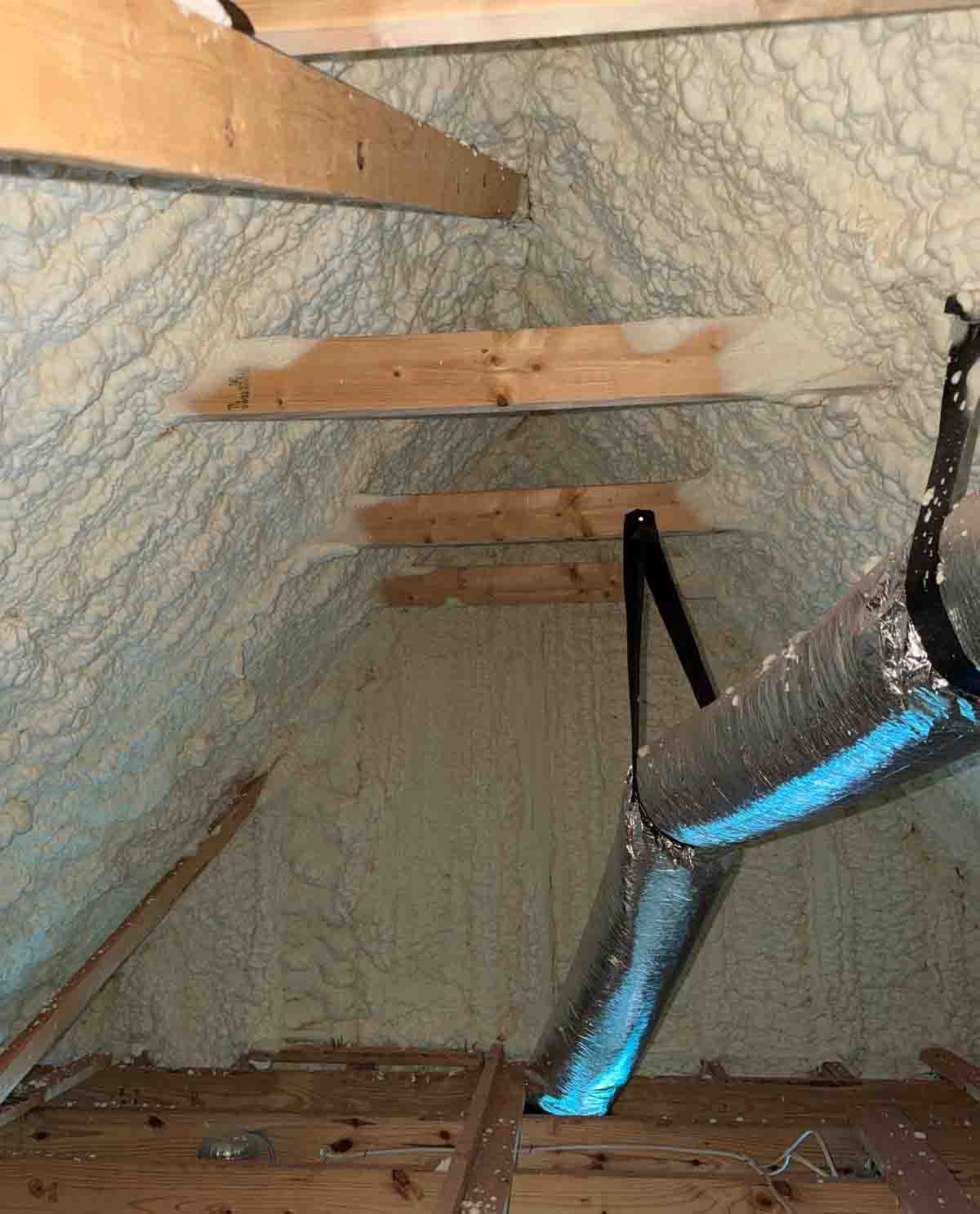
Hot or cold ceilings and rooms and uneven temperatures between rooms are common signs of insufficient attic insulation. You might notice drafty rooms upstairs, especially near attic access points or other places where air can leak out.
Your utility bills can also be a clue. High energy bills from attic insulation problems may mean your heating and cooling system is working harder to keep your home comfortable.
In the winter, check outside. Ice dams in Nashville can signal that your attic insulation and air sealing need attention.
Signs You’ll Spot in the Attic Itself
Looking at the insulation can be revealing.
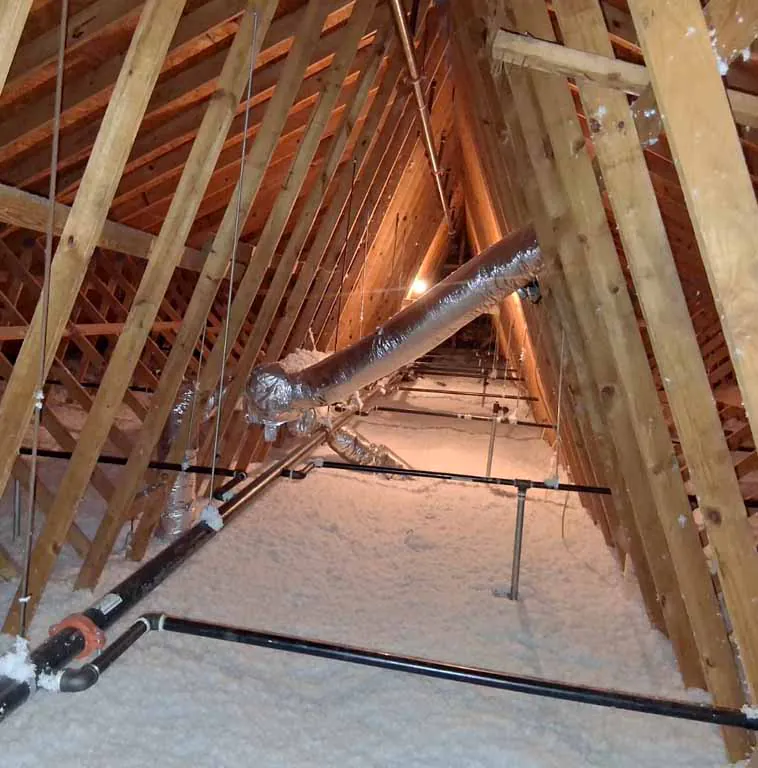
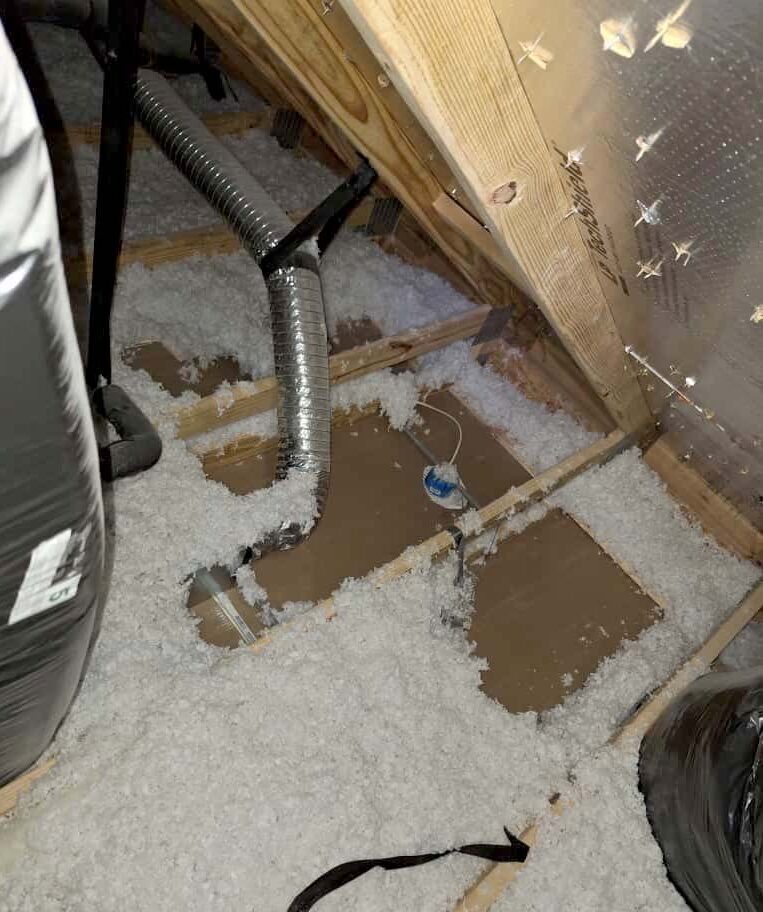
A simple depth check with a ruler or tape measure can show if the insulation has settled or become thinner over time. Look across the attic floor for bare joists, low spots, or areas where the insulation depth changes noticeably.
Uneven areas like these can point to attic insulation problems even if the attic looks well-insulated at first glance.
Watch for signs of moisture. Damp insulation may indicate a roof leak that needs repair. Moldy or rotted rafters or floor joists point to a moisture problem that a professional should manage or remediate before you add new insulation.
If you notice any of these conditions, an evaluation of your attic and attic insulation services can help determine what needs attention.
Why This Happens in Middle Tennessee’s Climate
Nashville’s Climate Zone
Nashville’s weather puts your attic to the test.
Tennessee spans building energy code Climate Zones 3A and 4A, with Nashville/Davidson County falling in Zone 4A, a mixed-humid climate. That means homes deal with hot, humid summers and a real winter heating season.
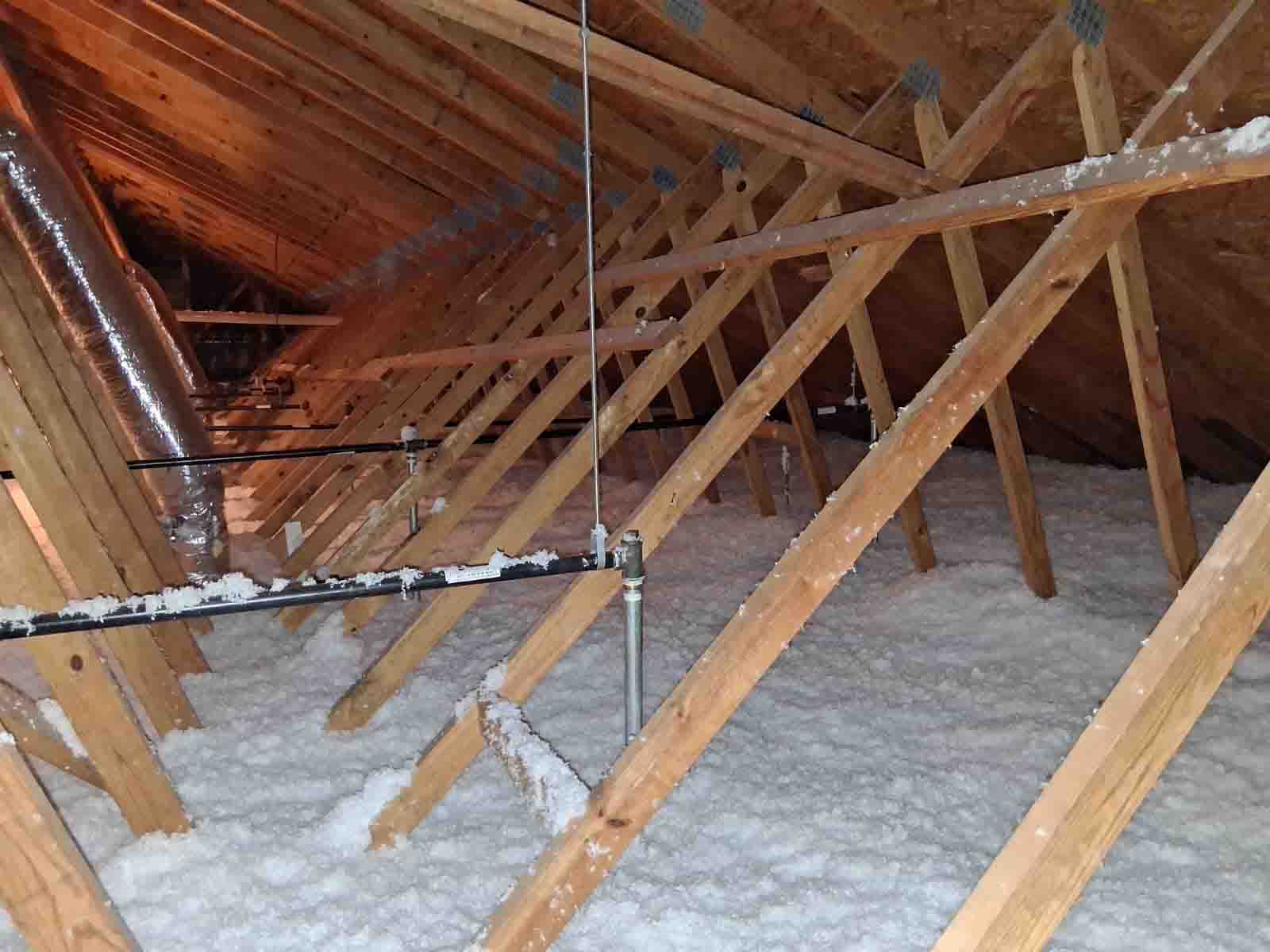
In the summer, your attic has to help keep cooled air inside the house. In the winter, it needs to help hold onto heated air. Zone 4A conditions make attic performance important year-round, not just during the hottest months.
Why “It Has Insulation” Isn’t the Same as “Enough Insulation”
Insulation can settle or compress over time, leaving some areas less protected than others.
Older homes may have insulation installed to earlier standards. That’s why it’s best not to guess the right attic insulation R-value for Tennessee based on your home’s age or what you can see in the attic.
Your home’s needs can vary, so having a professional evaluation can determine the right level for your attic.
Insulation and air sealing also do different jobs. Insulation slows heat transfer, while air sealing closes the gaps where conditioned air escapes. That’s why attic air sealing in Nashville often goes hand in hand with adding insulation. Sealing air leaks helps keep conditioned air from escaping.
Learn more about air sealing services and how they help close those gaps.
DIY Checks vs. When to Call a Professional
Simple Self-Checks You Can Do Today
You don’t need any special equipment to do a basic attic check. From a safe spot, look across your attic floor. Do you see exposed joists? Is the insulation much lower in some places? Are there obvious bare spots?
Check for drafts near the attic hatch, recessed lights, and where plumbing or wiring goes through the ceiling. These openings can let heated or cooled air escape into the attic.
These simple checks won’t tell you exactly how much insulation to add, but they’ll show if your attic needs a closer look.
Red Flags That Need a Pro, Not a DIY Fix
Some attic conditions are better left to a professional. If the attic is hard to access, has poor ventilation, wet materials, mold, or rotted wood, have a professional check the space before adding insulation.
Older materials need extra care. Vermiculite insulation may contain asbestos and shouldn’t be disturbed until an approved lab has tested it. Knob-and-tube wiring in homes built before 1930 can be a fire hazard if it touches insulation, so it needs a professional evaluation.
Moisture problems can show up in other parts of your home too. If you notice dampness or musty smells elsewhere, it may be worth having your crawl space checked too. Learn more about crawl space encapsulation.
Want more detail about insulation materials, R-values, and typical cost ranges? Read Everything You Need to Know About Attic Insulation in Tennessee.
Frequently Asked Questions
What climate zone is Nashville in for insulation purposes?
Davidson County is in Climate Zone 4A, a mixed-humid climate.
Don’t Ignore the Signs Your Attic Needs Attention
If your upstairs rooms never feel comfortable, your bills keep going up, or your attic insulation looks thin or uneven, those signs are worth checking.
A professional attic assessment is the only way to confirm the insulation depth and air-sealing needs for your specific home.
Contact Hayes Insulation for a free attic insulation in Nashville assessment and find out whether your attic is still doing its job.
References
“Why Seal and Insulate?” ENERGY STAR, U.S. Environmental Protection Agency, www.energystar.gov/saveathome/seal_insulate/why-seal-and-insulate. Accessed 18 Aug. 2026.
“Attic Insulation Project.” ENERGY STAR, U.S. Environmental Protection Agency, www.energystar.gov/saveathome/seal_insulate/attic-insulation-project. Accessed 18 Aug. 2026.
“Tennessee Building Codes.” Building Codes Assistance Project, bcapcodes.org/code-status/state/tennessee/. Accessed 18 Aug. 2026.
“Climate Zone 4A.” Open Energy Information, U.S. Department of Energy, openei.org/wiki/Climate_Zone_4A. Accessed 18 Aug. 2026.