

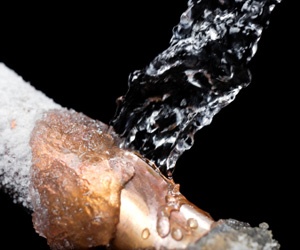
When temperatures plunge in Tennessee, frozen pipes are among the biggest winter hazards for homeowners. Water expands by about 9–10% when it freezes, which creates intense pressure inside pipes. Even durable copper, PVC, or PEX lines can crack or burst under that load.
A burst pipe can flood rooms in minutes, cause rapid mold growth, and damage floors, drywall, and structural components. Local Tennessee agencies warn that repair costs alone can climb into the thousands, far more than the cost of preventive measures.
This guide gives homeowners, landlords, and builders a clear understanding of why pipes freeze, which lines are most vulnerable, and what steps help prevent costly water damage during winter.
Note: Hayes Insulation does not install pipe wrap or heat tape. Our expertise is in improving home insulation and sealing drafts: two of the most effective ways to keep your home warmer and reduce the risk of frozen pipes.
Why Do Pipes Freeze and Burst?
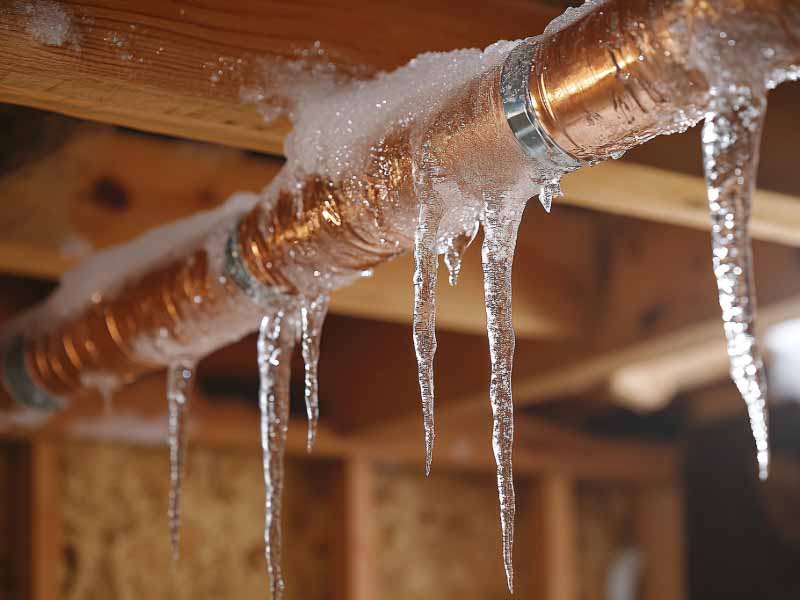
When cold weather persists, water inside pipes cools until it eventually turns to ice. That ice expands, creating an internal obstruction. Pressure then builds between the ice blockage and the nearest closed faucet. According to the American Red Cross, this pressure can exceed the pipe’s capacity, causing it to rupture.
A few things homeowners should know:
- This can happen in any house, regardless of age or construction quality.
- The actual break often occurs away from the ice blockage.
- Many homeowners don’t see the damage until the thaw, when water starts rushing out.
Understanding these basics helps you identify where insulation improvements can make the biggest difference.
Pipes Most Prone to Freezing
The American Red Cross highlights the following high-risk lines.
1. Outdoor Supply Lines and Faucets
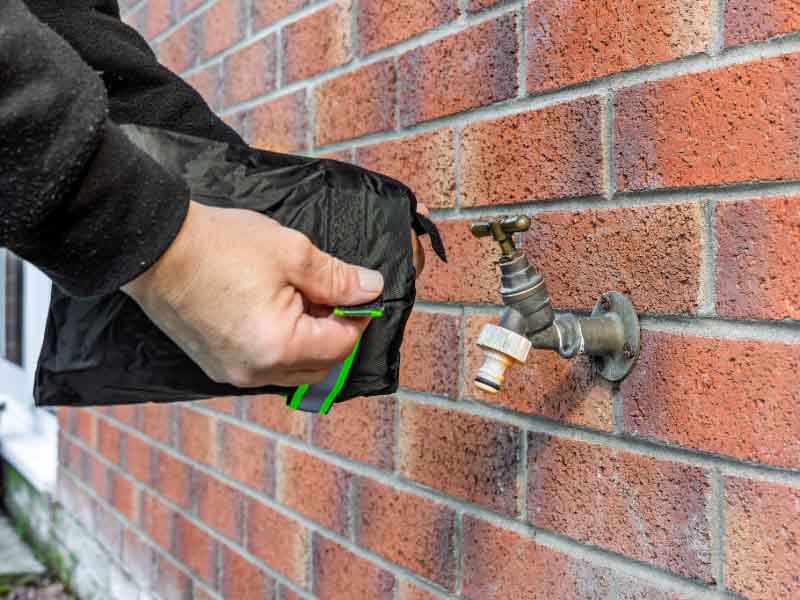
This includes hose bibs, irrigation systems, pool lines, and exterior water features. Even “frost-proof” spigots can freeze in prolonged sub-freezing weather, especially if hoses are left connected or fixtures aren’t insulated.
2. Pipes in Unheated or Poorly Insulated Areas
Vulnerable locations include:
- Crawl spaces
- Attics
- Garages
- Basements
These areas often drop to outdoor temperatures. Without proper insulation or air sealing, pipes here are typically the first to freeze. In many homes, a simple insulation upgrade to the attic, rim joist, or crawl space dramatically improves cold-weather protection.
3. Pipes Against Exterior Walls
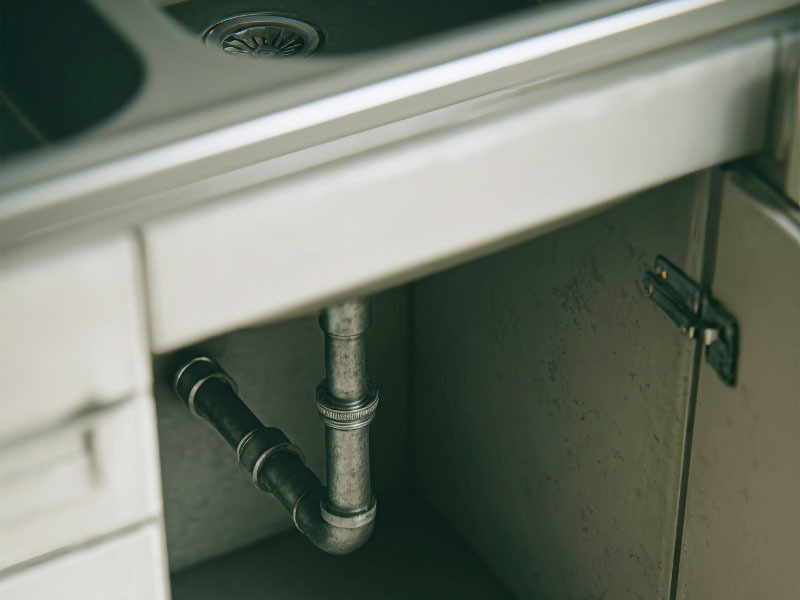
Thin or missing insulation inside exterior walls allows cold drafts to reach pipes. This is especially common under kitchen or bathroom sinks. Improving wall insulation or sealing drafts around these areas can slow heat loss and help protect those lines.
How to Prevent Frozen Pipes in Winter
Tennessee cities and emergency agencies share a consistent set of steps for winter pipe protection. Many are simple habits, while others involve improving insulation to keep vulnerable areas warmer, but all of them are less costly than flood repair.
Insulate Pipes and Unheated Areas
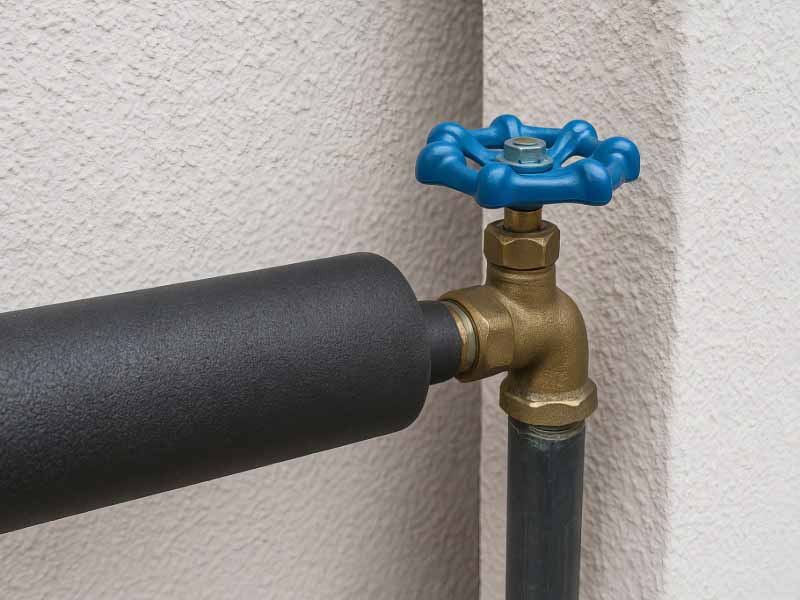
- Install foam insulation sleeves on pipes running through crawl spaces, attics, garages, and exterior walls.
- Add insulation to attics, basements, and crawl spaces to help maintain warmer temperatures around plumbing.
- Insulate both hot and cold water lines.
While Hayes Insulation does not insulate pipes directly, improving the insulation in the spaces around them is one of the most effective ways to prevent freezing.
Seal Drafts and Close Openings
- Repair drafty windows near plumbing and seal gaps where pipes penetrate exterior walls.
- Close crawl space vents during extreme cold.
- Keep garage doors closed to help protect water lines that run through or above garages.
Protect Outdoor Fixtures
- Disconnect and drain garden hoses.
- Install insulated covers over hose bibs.
- Insulate backflow prevention devices or use a “hot box.”
- Consider heat-trace wire for exposed outdoor plumbing.
Maintain Indoor Heat
- Don’t drastically drop thermostat settings at night — keep it consistent.
- The Red Cross notes that the extra heating costs are trivial compared to the costs of burst-pipe repair.
If traveling, never turn the heat off. Keep the thermostat at 55°F or higher. - Leave interior doors open so heat moves evenly throughout the home.
Allow Warm Air to Reach Pipes
- Open kitchen and bathroom cabinet doors under sinks located on exterior walls.
- Be sure to remove harmful cleaners or chemicals from the reach of kids/pets before leaving cabinets open.
Let Faucets Drip During Extreme Cold
- Let cold water trickle from faucets connected to at-risk pipes.
- Running cold water saves energy; collect dripping water in a bucket to reuse
- Tennessee officials emphasize that the cost of extra water is low compared to the cost of fixing a burst pipe.
Drain and Shut Off Unused Lines
- Drain outdoor kitchen sinks, pool bathrooms, and irrigation systems before freezing weather.
- Follow manufacturer instructions for winterizing irrigation (draining or blowing out lines).
- Close indoor shut-off valves and open exterior faucets to drain remaining water.
- Leave exterior valves open so any remaining water has room to expand as it freezes.
What to Do If a Pipe Freezes
If you turn on a faucet and only a trickle comes out, the line may be frozen.
1. Shut off the water supply first.
State guidance recommends closing the main water valve before attempting to thaw anything.
2. Open the faucet.
This relieves pressure and allows the melting ice to exit as you thaw the pipe.
3. Apply gentle heat.
Use safe, controlled methods such as:
- Hair dryer on low or medium
- Hot-water-soaked towels
- Heating pad or portable space heater
Never use an open flame. Start nearest to the faucet and work backward until the flow returns.
4. Call a professional if needed.
If you can’t find the frozen section, can’t reach it, or don’t feel comfortable thawing it yourself, call a licensed plumber.
Protect Your Home Before the Next Freeze
A few simple actions, such as insulating cold areas of the home, sealing gaps, and maintaining consistent heat, go a long way in preventing frozen pipes. Tennessee’s temperature swings make preparation essential.
Hayes Insulation helps homeowners and builders create warmer, more energy-efficient homes through professional insulation upgrades, including attics, crawl spaces, basements, rim joists, and exterior walls. Improving these areas not only boosts efficiency but also helps reduce the likelihood of frozen pipes.
Contact Hayes Insulation today to make your home more resilient before the next cold snap hits.
References:
American Red Cross. (n.d.). Frozen pipes. https://www.redcross.org/get-help/how-to-prepare-for-emergencies/types-of-emergencies/winter-storm/frozen-pipes.html
City of Kingsport, Tennessee. (n.d.). Tips to help prevent water pipes from freezing. https://www.kingsporttn.gov/tips-to-help-prevent-water-pipes-from-freezing/
City of Murfreesboro, Tennessee. (n.d.). Civic alerts: Frozen pipe prevention. https://www.murfreesborotn.gov/CivicAlerts.aspx?AID=3984&ARC=7530
City of Somerville, Tennessee. (n.d.). Winter weather tips. https://www.somervilletn.org/pview.aspx?id=20727&catid=550
Madison County, Tennessee. (n.d.). Design criteria. https://madisoncountytn.gov/570/Design-Criteria
Metropolitan Government of Nashville and Davidson County. (2024). Winter weather pipes [PDF]. https://www.nashville.gov/sites/default/files/2024-01/Winter_Weather_Pipes.pdf
Tennessee Department of Commerce and Insurance. (2016, January 12). Avoid home damage from frozen pipes. https://www.tn.gov/commerce/news/2016/1/12/avoid-home-damage-from-frozen-pipes.html
This Old House. (n.d.). How a frozen pipe bursts. https://www.thisoldhouse.com/plumbing/21133681/how-a-frozen-pipe-bursts